The picturesque town of Grimsby, Ontario offers a charming setting for buyers searching for their dream home. As you begin your search, you will face an important decision. Should you choose a newly constructed home or a traditional property?
Both options offer clear advantages. However, understanding the differences helps you make a confident and informed decision that fits your lifestyle and goals.
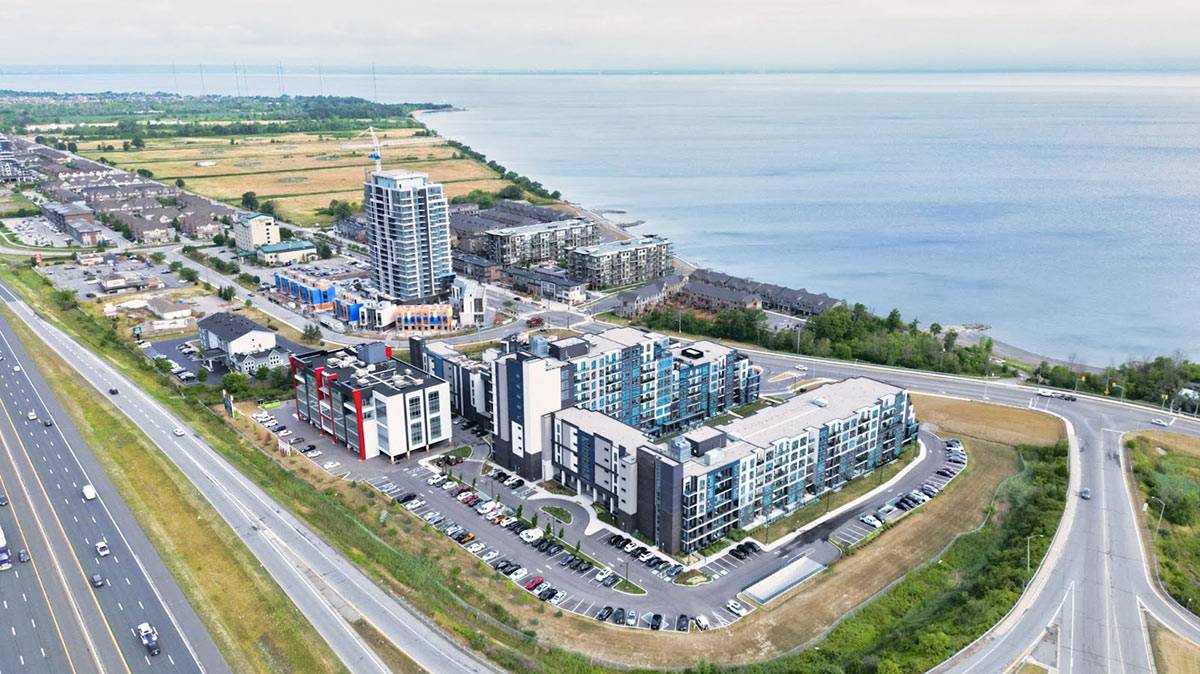
In this blog, we explore the benefits of both new and traditional homes in Grimsby. In addition, we highlight key differences so you can choose the right fit. If you need expert guidance, contact The Lynn Fee Team for support throughout your home buying journey.
Benefits of Buying a New Home in Grimsby, Ontario
Modern Features
Today’s buyers often prioritize modern living. As a result, new homes in Grimsby include energy-efficient appliances, smart technology, and contemporary designs. These features appeal to buyers who want convenience and long-term value.
Customization
In many developments across Grimsby, builders allow buyers to personalize layouts and finishes. Therefore, you can design a home that reflects your style and meets your needs.
Warranty
Most new homes include comprehensive warranties. Because of this, you gain peace of mind and reduce unexpected repair costs during the first few years.
Energy Efficiency
New construction focuses heavily on energy efficiency. For example, builders use advanced insulation, modern HVAC systems, and sustainable materials. Consequently, homeowners benefit from lower utility costs and a smaller environmental footprint.
Low Maintenance
New homes require less maintenance in the early years. Since everything is brand new, you avoid many common issues related to roofs, windows, and furnaces. 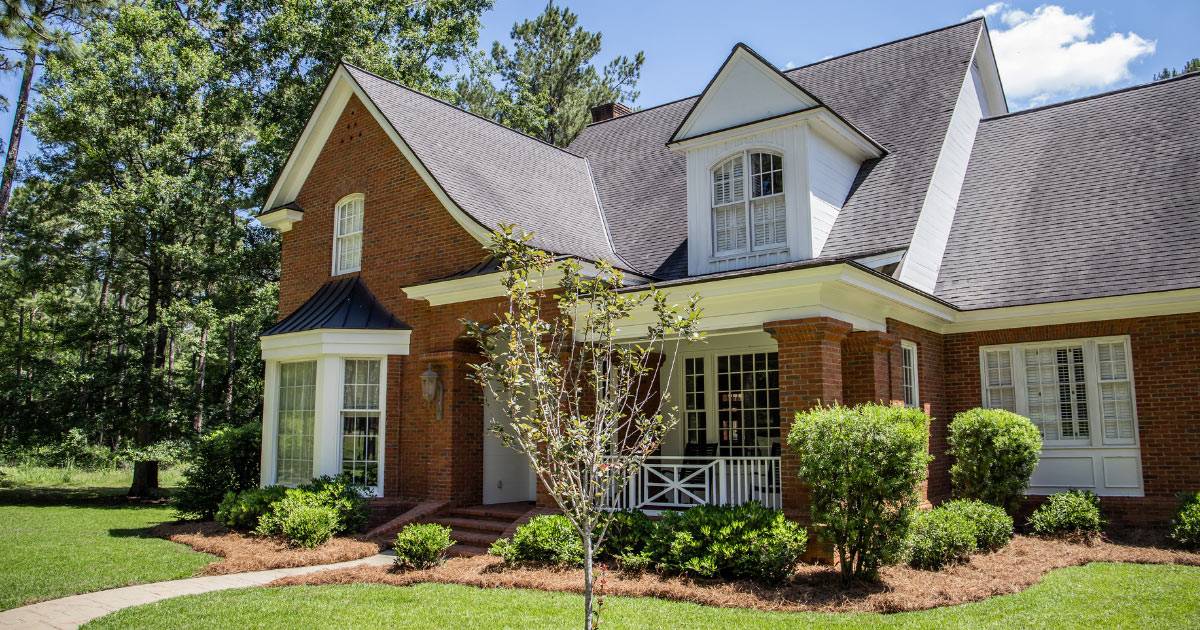
Benefits of Buying a Traditional Home in Grimsby, Ontario
Historical Charm
Traditional homes in Grimsby showcase unique character and timeless architecture. As a result, they offer charm and personality that new builds often cannot replicate.
Potential for Larger Property Size
In many cases, traditional homes sit on larger lots. Therefore, homeowners enjoy more outdoor space for gardens, entertaining, and relaxation. Larger properties also provide added privacy and future expansion potential.
Established Neighbourhoods
Traditional homes are typically located in mature neighbourhoods. These areas feature tree-lined streets and a strong sense of community built over time.
Proximity to Amenities
Additionally, many traditional homes sit in prime locations. With convenient access to nearby cities via the QEW and VIA Rail, commuting becomes easier.
Investment Potential
Well-maintained traditional homes often increase in value over time. Because of this, they can offer strong long-term investment potential. 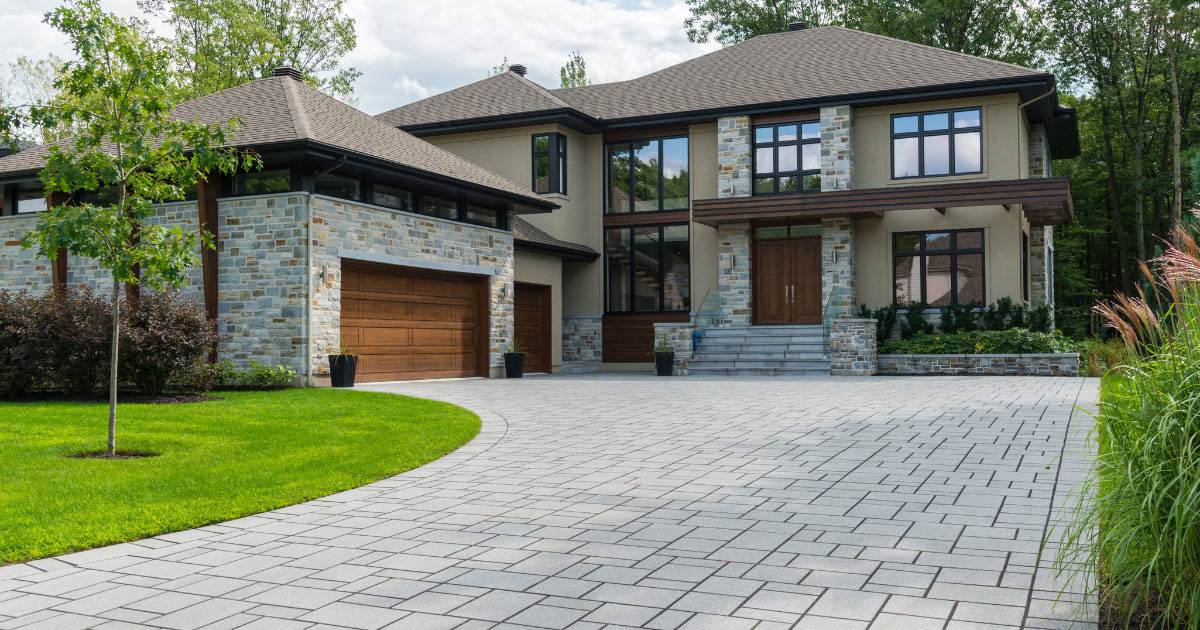
Key Differences Between New and Traditional Homes
Architectural Style
New homes reflect modern design trends. In contrast, traditional homes feature unique and historical architectural elements.
Lot Size
Traditional homes often offer larger lots. On the other hand, new homes may come with smaller or more varied lot sizes.
Maintenance Costs
New homes usually require fewer repairs at first. However, traditional homes may need ongoing maintenance over time.
Resale Value
Traditional homes often retain value due to location and character. Meanwhile, new homes attract buyers with modern features and design.
Personalization
Buyers can customize new homes during construction. In comparison, traditional homes maintain their original design and structure.
Neighbourhood Atmosphere
Traditional neighbourhoods feel established and community-driven. In contrast, new developments offer a more modern and evolving environment.
Ultimately, your choice depends on your priorities. Some buyers prefer modern convenience. Others value character and history. Fortunately, Grimsby offers options for both.
Ready to find your ideal home in Grimsby? Contact The Lynn Fee Team today for expert local guidance. We help you find a home that matches your vision while ensuring a smooth and exciting transition.